








The Brutal Medieval Reality
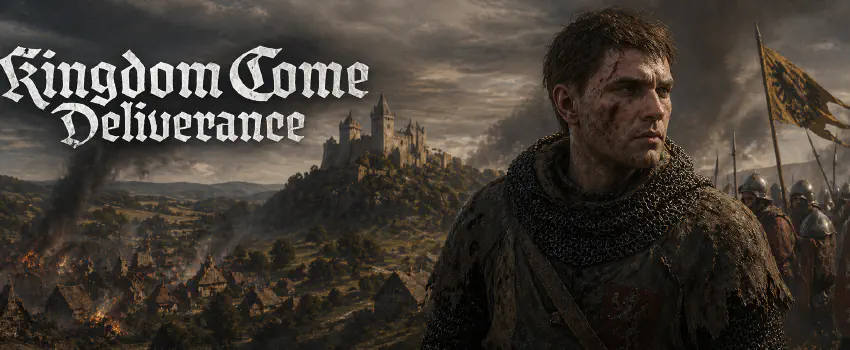
In a genre dominated by dragons and chosen ones, this title stands out by offering something much rarer: historical authenticity. You aren’t a hero; you are Henry, the son of a blacksmith, and at the start, you can barely hold a sword, let alone read. From a gamedev perspective, the commitment to this “zero-to-hero” simulation is a bold design choice that dictates every other system in the experience.
Simulation of Ancient
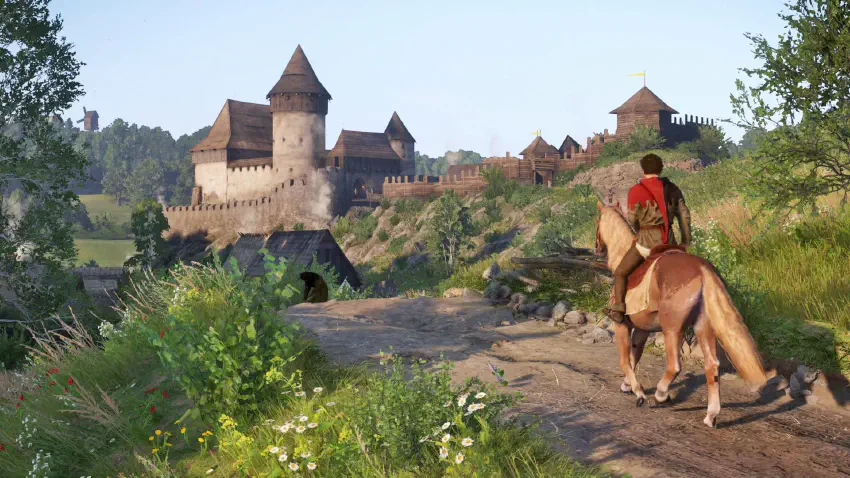
The technical foundation, built on a heavily modified version of CryEngine, is both a blessing and a curse. Visually, the engine’s strength in rendering dense vegetation and realistic lighting is on full display. The forests feel like real Bohemian woodlands, with light filtering through the canopy in a way that feels procedurally natural rather than hand-placed. However, the trade-off is evident in the hardware demands and the occasional physics “jank” that occurs when complex AI schedules collide with a highly detailed environment.
The AI system is particularly ambitious. Every NPC has a 24-hour routine, which isn’t just cosmetic. If a merchant isn’t at their stall, they are likely eating or sleeping. This creates a living world but introduces massive edge cases for quest triggers—a classic dev headache where systemic freedom competes with narrative stability.
Systems
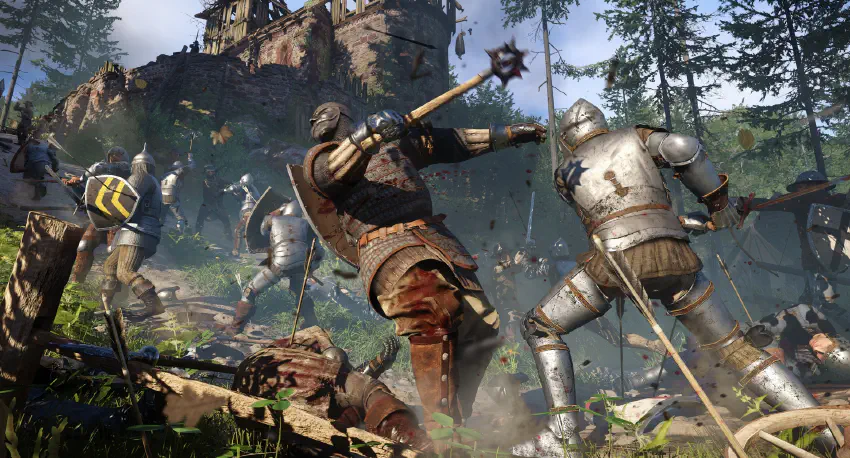
As a developer, I am naturally drawn to deep, interlocking systems. I spent a lot of time analyzing how the developers handled the alchemy and maintenance mechanics. The alchemy system is incredibly innovative, requiring the player to physically interact with the bellows, distillers, and ingredients in real-time. It’s a masterclass in diegetic UI design. Ironically, despite my love for appreciation for well-crafted systems, I found myself barely touching the actual crafting system. In any game, in fact. I acknowledged the brilliance of the implementation, but the sheer friction of the simulation—while thematic—meant I often preferred to find or buy my gear rather than engage with the labor-intensive crafting loop myself.
The save system, tied to the “Saviour Schnapps” item, is another polarizing design decision. It forces the player to live with their mistakes, which heightens the tension of every encounter. From a design standpoint, it’s a interesting way to prevent “save scumming”.
A Tale of Two Halves
The narrative starts with a personal quest for vengeance that masterfully anchors you in the larger political machinations of the Holy Roman Empire. The voice acting is grounded and human, which complements the gritty aesthetic. However, the experience stumbles as it nears the finish line. The final chapters feel somewhat convoluted and rushed, losing the intimate focus that made the early hours so compelling. The transition from a personal journey to a large-scale military conflict exposes some of the engine’s limitations in handling massive crowds.
Despite these rough edges and the late-game narrative hurdles, the project remains a masterpiece for those who value immersion. It is a demanding, beautiful, and ultimately rewarding journey through a history that feels alive, proving that sometimes, the most innovative thing you can do is stick to the truth.
