








Books From 2021 (So Far)
I continue to read (listen in fact) almost every day for the past years. It’s in my daily routine when I walk the dogs. It’s a very different proposition from laying down and dedicate some time to read them. I have an urge of a secondary task when I am performing a no-brainier routine, just as.. walking the dogs. Otherwise, I just feel wasting my time my just walking and no thinking.
This is the list of this year’s books that I ingested. Later I present a list of books from the previous years that did not mention before. These lists are -definitively- not comprehensive ones. Since I’m not updating my GoodReads personal records nor writing about them in this blog, they are just the ones I remembered. Eventually I might edit this post in case I remember other entries.
- Remote (): I’ve read this book few years back and I’m planning to do an annual reading of this book, along with the other Jason Fried books. They are mind opener, very opinionative and thought-provoking. Yet so elegant and simple. It points advantages and disadvantages of remote working, some misconceptions and prejudices. During the radical change of life during the pandemic, it was still valid (it was published in 2013)
- Foundation (): a SCI-FI classic that was always in my “want to read” list. Since I’ve heard that it’s going to become a TV Show from Amazon Prime, it climbed up to the top of my next books. And it did not disappointed. A superb novel that deals with the idea of a guy that can forsee the future and plan each step to change it.
- Parable of the Sower (): a 5 stars recommendation from The Wertzone, it was amazing and rich as I was told. The next book, Parable of the Talents (), also recommended, will be read soon.
- Torto Arado (): this Brazilian first time author conquered most of national and international Portuguese awards. Tells a story of two girls from the almost deserted region in Brazil, fighting against poverty, misogyny and happiness.
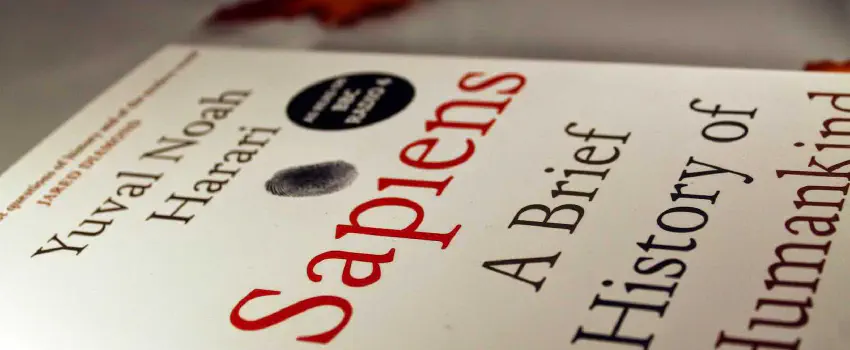
- 21 Lessons for the 21st Century (): another hit from the same author of Sapiens, focusing on some pressing issues of the contemporary times, like genetics, robotics and artificial intelligence.
- Shaping the Future of the Fourth Industrial Revolution (): the same vein of the previous book, analyzing global issues, from the executive chairman of the World Economic Forum. I think I liked more than 21 Lessons…
- The Final Empire (): in an universe that magic spells can be cast by consuming metals, Sanderson starts the sprawling saga with an epic heist.
- Letters From An Astrophysicist (): Tyson is a well known scientist and his polite, yet firm, way to respond questions in TV shows is also presented in this collection of letters received by fans and not-fans alike. He talks a little bit of everything: science methods, physics, astrophysics and, but also about astrology and religion.
- Project Hail Mary (): The Martian was a mega hit. As a movie adaptation, it was the most viewed and profitable project from the acclaimed direction Ridley Scott, which includes Gladiator, Blade Runner and Alien. It takes the same Weir’ nerdy writing style, again with a very lonely protagonist and the roller coaster plot. This time, I have big doubts that a film adaptation would be a similar success, due to the complex narrative and scope.
- Foundation and Empire (): the second book have two different stories and is less interesting due to the lack of the main characters from the first book. Of course, it takes places centuries after the first book’ events. The new characters are all nice, but the Hari Seldon previsions becomes both too mystical and precise to my taste.
- The Miracle Morning (): I heard about it while listening the Jeff Goins podcast interviewing the author. He mentioned coming to Brazil to advertise his new book and discovering a huge fan base. So why not try. I found a very obnoxious self-help book about waking up early, do some exercises, meditate and suddenly one would become 999% more productive.
From previous years but not yet mentioned (and worth mention)
- It Doesn't Have to Be Crazy at Work (): Like Remote, it’s worth to re read periodically.
- The Name of the Wind (): Kvothe’s early stories are fascinating. The universe blends Harry Potter with Lord of the Ring, with a very likable cast of characters.
- The Hate U Give (): read years before the Black Lives Matter movement, is still a valid story about racism and police brutality. I’m yet to see the movie adaptation.
- On Writing: A Memoir of the Craft ()
- Judas Unchained (): the second book, just after the events of Pandora’s Star. Breath holding.
- How To Write 50,000 Words In 30 Days, and survive to tell your story! (): dogmatic but can serve as a powerful inspiration.
- Artemis (): first Mars, now the Moon. This sci-fi story is well grounded in science and the protagonist is tenacious
- The Wise Man’s Fear (): The Name of the Wind’s protagonist transformed from a poor underdog in the first movie to an almighty demigod. There are basically no impossible obstacles that are solved a couple later.
For more books, you can check my online read list on GoodReads.